


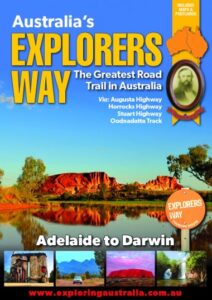
The greatest road trail in Australia via Augusta Highway, Horrocks Highway, Stuart Highway, Oodnadatta Track. Adelaide to Darwin.
Australia’s Explorers Way is one of the country’s greatest and most iconic road trails, stretching for more than 3,000 kilometres from Adelaide in South Australia all the way to Darwin in the Northern Territory. Following the path of the legendary explorer John McDouall Stuart, it cuts through the heart of the continent, offering travellers an unforgettable journey through Australia’s vast and diverse landscapes — from rolling vineyards and rugged outback deserts to tropical savannahs and ancient Aboriginal lands. Along the way, drivers can explore famous destinations such as Coober Pedy, the underground opal capital; the majestic Uluru and Kata Tjuta; and the dramatic Katherine Gorge. Blending natural beauty, cultural heritage, and adventure, the Explorers Way truly captures the spirit of Australia’s pioneering past and its breathtaking wilderness.
John McDouall Stuart (1815–1866) was a Scottish-born explorer who became one of Australia’s most celebrated inland explorers. Arriving in South Australia in 1839, he developed a reputation for his courage, endurance, and careful planning during expeditions into the harsh Australian interior. Stuart is best known for leading six major expeditions across the continent, culminating in his historic 1862–1863 expedition, when he became the first European to successfully cross Australia from south to north and return, a feat that paved the way for the construction of the Overland Telegraph Line. Despite facing extreme heat, scarce water, and challenging terrain, Stuart’s meticulous record-keeping and determination earned him widespread recognition. He is remembered not only for his exploration achievements but also for his respectful interactions with Aboriginal peoples and his contribution to Australia’s mapping and settlement of the interior.
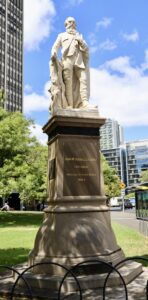
Stuart is the central figure behind the Explorers Way, as the road trail essentially follows the route he pioneered across the Australian continent. His historic journey from Adelaide to Darwin in the early 1860s mapped a path through the harsh and largely uncharted interior, demonstrating that a practical north-south crossing of Australia was possible. Today, the Explorers Way celebrates Stuart’s achievements, allowing travellers to trace the same route he took, passing through key locations that were significant in his expeditions, such as Coober Pedy, Alice Springs, and Tennant Creek. By linking these historic sites, the trail not only commemorates Stuart’s courage and endurance but also provides a living connection to Australia’s pioneering history and the remarkable landscapes he explored.
Augusta Highway – The Augusta Highway forms the first leg of the Explorers Way, running north from Adelaide through Port Wakefield and Port Pirie. This major highway connects travellers from the city to South Australia’s rural heartland and provides access to the Barossa Valley wine region. It’s a smooth and well-maintained route that eases travellers into the journey, offering glimpses of farmland, rolling hills, and small historic towns before the outback stretches begin.
Horrocks Highway – Branching off from the Augusta Highway, the Horrocks Highway leads through the Clare Valley, another of South Australia’s prime wine regions, before joining the inland route toward Port Augusta. Named after explorer John Horrocks, this highway passes through charming rural towns, vineyards, and scenic landscapes, giving travellers a taste of South Australia’s agricultural and historic heritage.
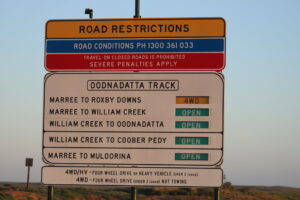
Oodnadatta Track – The Oodnadatta Track is an alternative, more rugged route through South Australia’s outback, following part of the original telegraph line and mail coach route that Stuart helped pioneer. It passes through remote towns like Marree and Oodnadatta, offering travellers a sense of isolation, historical ruins, and striking desert landscapes. Unlike the sealed Stuart Highway, this track is a true outback adventure and highlights the challenges faced by early explorers.
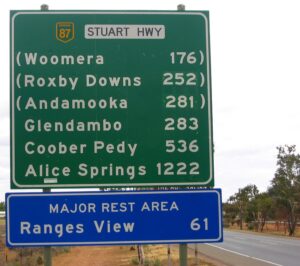
Stuart Highway – The Stuart Highway is the backbone of the Explorers Way, stretching over 2,700 km from Port Augusta to Darwin. Named after John McDouall Stuart, it follows the path of his historic expedition through the heart of Australia. Along the highway, travellers pass iconic outback towns such as Coober Pedy, Alice Springs, and Tennant Creek, experiencing deserts, red sand plains, and unique geological formations. This highway is the primary route for those tracing Stuart’s path north.
- Adelaide, South Australia – The journey begins in South Australia’s vibrant capital, known for its wine regions, cultural festivals, and historic architecture. Adelaide serves as the starting point for explorers following Stuart’s route north.
- Barossa Valley – Just outside Adelaide, this world-famous wine region is renowned for its vineyards, cellar doors, and gourmet food experiences. A perfect spot to taste local Shiraz and Riesling before venturing into the outback.
- Coober Pedy – Known as the opal capital of the world, this remote town features underground homes, churches, and shops built to escape the desert heat. Visitors can try opal mining or explore lunar-like landscapes.
- Alice Springs – Often called the heart of Australia, Alice Springs sits in the Red Centre and is a hub for exploring deserts, Aboriginal culture, and historical sites. Key attractions include the Alice Springs Desert Park and Telegraph Station.
- Uluru & Kata Tjuta – Just off the Explorers Way detour, these iconic rock formations are sacred to the local Anangu people and are world-renowned for their striking colours and spiritual significance. Sunrise and sunset views are unforgettable.
- Tennant Creek – A historic gold mining town that also marks a key stopping point on Stuart’s journey north. Attractions include the Battery Hill Mining Centre and Aboriginal rock art.
- Katherine & Nitmiluk National Park – Featuring the spectacular Katherine Gorge, this area offers cruises, hiking trails, and rich Indigenous culture, making it a highlight of the northern section of the route.
- Darwin, Northern Territory – The trail ends in Darwin, a tropical city known for its vibrant markets, WWII history, and proximity to national parks like Litchfield and Kakadu. It marks the final destination of Stuart’s historic crossing.

Suggested Travel Time
The Explorers Way is a long journey, stretching over 3,000 km, so the suggested time depends on how much you want to explore along the way.
- Minimum driving time: If you drive almost non-stop, it could technically be done in 5–7 days, but this would mostly be long hours on the road with little time to stop.
- Recommended leisurely pace: Most travellers allow 2–3 weeks to truly enjoy the highlights, take detours like Uluru or Kata Tjuta, explore outback towns, and experience natural attractions such as Katherine Gorge.
- Considerations: Road conditions vary — the Stuart Highway is sealed and easy to drive, but if you take the Oodnadatta Track, you’ll need a 4WD vehicle and more time. Also, fuel, food, and accommodation are limited in remote areas, so planning daily distances of 300–500 km is realistic for comfort and safety.
A 2–3 week trip lets you experience both the outback adventure and the historical and cultural sites that make the Explorers Way truly memorable.
- Week 1 – South Australia & Start of Outback
- Day 1: Adelaide → Barossa Valley → Port Wakefield (approx. 150 km)
- Explore Barossa Valley wineries and lunch in a vineyard.
- Overnight in Port Wakefield or nearby.
- Day 2: Port Wakefield → Port Augusta (approx. 200 km)
- Stop at historic towns along Augusta Highway.
- Explore Australian Arid Lands Botanic Garden in Port Augusta.
- Overnight in Port Augusta.
- Day 3: Port Augusta → Woomera (approx. 330 km)
- Drive north, visit Woomera Rocket Range museum.
- Experience outback isolation and historic sites.
- Overnight in Woomera.
- Day 4: Woomera → Coober Pedy (approx. 420 km)
- Travel through the desert landscapes of South Australia.
- Arrive in Coober Pedy, explore underground homes and opal mines.
- Overnight in Coober Pedy.
- Day 5: Coober Pedy
- Full day in town: mine tours, underground church, and Breakaways Reserve for sunset photography.
- Day 1: Adelaide → Barossa Valley → Port Wakefield (approx. 150 km)
- Week 2 – Central Australia
- Day 6: Coober Pedy → William Creek / Oodnadatta Track entry (approx. 170 km)
- Optional detour along Oodnadatta Track.
- Stay overnight in William Creek, a tiny outback settlement.
- Day 7: William Creek → Marree → Lake Eyre (approx. 250 km)
- Visit Lake Eyre (if accessible) and historic Marree township.
- Overnight in Marree.
- Day 8: Marree → Alice Springs (approx. 710 km, split with stop in Kulgera)
- Break the long drive with a stop in Kulgera.
- Arrive in Alice Springs for overnight.
- Day 9: Alice Springs
- Explore Alice Springs Desert Park, Telegraph Station, or Todd River walks.
- Day 10: Alice Springs → West MacDonnell Ranges → Alice Springs
- Day trip through Simpsons Gap, Standley Chasm, Ormiston Gorge.
- Return to Alice Springs for overnight.
- Day 6: Coober Pedy → William Creek / Oodnadatta Track entry (approx. 170 km)
- Week 3 – Uluru & Northern Territory
- Day 11: Alice Springs → Uluru (approx. 450 km)
- Travel to Uluru-Kata Tjuta National Park.
- Sunset viewing of Uluru.
- Overnight near Uluru.
- Day 12: Uluru & Kata Tjuta
- Sunrise at Uluru, hike around the base, visit Kata Tjuta domes.
- Learn about Anangu culture.
- Overnight near Uluru.
- Day 13: Uluru → Kings Canyon (approx. 300 km)
- Drive to Kings Canyon, famous for the Rim Walk.
- Overnight near Kings Canyon.
- Day 14: Kings Canyon → Tennant Creek (approx. 510 km)
- Early morning Kings Canyon Rim Walk.
- Drive north to Tennant Creek.
- Overnight in Tennant Creek.
- Day 15: Tennant Creek → Devils Marbles → Elliott (approx. 420 km)
- Stop at Karlu Karlu / Devils Marbles for photography.
- Overnight in Elliott, a small outback town.
- Day 11: Alice Springs → Uluru (approx. 450 km)
- Week 4 – Top End & Darwin
- Day 16: Elliott → Katherine (approx. 500 km)
- Arrive in Katherine, explore town and relax.
- Overnight in Katherine.
- Day 17: Katherine → Nitmiluk National Park
- Full day exploring Katherine Gorge via cruise, canoe, or walks.
- Overnight in Katherine.
- Day 18: Katherine → Litchfield National Park → Darwin (approx. 320 km)
- Stop at Litchfield National Park, see waterfalls, termite mounds, and swimming holes.
- Arrive in Darwin, overnight.
- Day 19: Darwin
- Explore Darwin city: Mindil Beach Sunset Market, Darwin Waterfront, Museum and Art Gallery.
- Day 20: Darwin & Surrounds
- Optional day trips to Crocodylus Park or Day trips to Kakadu National Park.
- End of journey.
- Day 16: Elliott → Katherine (approx. 500 km)
Useful Weblinks
- Get the book: https://australiasexplorersway.com.au/get-the-book/
- The Explorers Way in 14 Days: https://northernterritory.com/itineraries/the-explorers-way-in-14-days
- Explorers Way Australia: https://australiasexplorersway.com.au/
- Stuart Highway – Adelaide to Alice Springs: https://www.ritas-outback-guide.com/stuart-highway.html
- Journey Through the Outback: The Explorer’s Way from Adelaide to Darwin: https://www.letsgocaravanandcamping.com.au/news/journey-through-the-outback-the-explorers-way-from-adelaide-to-darwin/
- The Iconic Journey: https://explorers-way.com/suggested-itineraries/the-iconic-journey
- Uncover Australia’s Red Centre when you embark on the Explorers Way: https://explorers-way.com/about
- 12 Day Adelaide to Darwin Road trip Itinerary: https://www.firstlighttravel.com.au/australian-self-drive-itineraries/south-australia/12-day-explorers-way-adelaide-to-darwin/itinerary
- Red Dirt and a 2WD? It’s Possible on the Explorer’s Way in South Australia: https://weareexplorers.co/explorers-way-in-south-australia/
- Explorers Way: Adelaide to Darwin by 2WD: https://www.kidsandpassports.com/explorers-way-adelaide-to-darwin-by-2wd/
- Explorers Way Itineraries: https://explorers-way.com/suggested-itineraries
- Welcome to Barossa: https://www.barossa.com/
- Port Wakefield, SA: https://www.aussietowns.com.au/town/port-wakefield-sa
- Port Augusta, SA: https://www.aussietowns.com.au/town/port-augusta-sa
- Woomera, SA: https://www.aussietowns.com.au/town/woomera-sa
- Coober Pedy, SA: https://www.aussietowns.com.au/town/coober-pedy-sa
- William Creek Hotel: https://www.williamcreekhotel.com/
- Marree, SA: https://www.aussietowns.com.au/town/marree-sa
- Alice Springs, NT: https://www.aussietowns.com.au/town/alice-springs
- Tennant Creek, NT: https://www.aussietowns.com.au/town/tennant-creek
- Karlu Karlu / Devils Marbles Conservation Reserve: https://nt.gov.au/parks/find-a-park/karlu-karlu-devils-marbles-conservation-reserve
- Katherine, NT: https://www.aussietowns.com.au/town/katherine-nt
- Nitmiluk National Park: https://nt.gov.au/parks/find-a-park/nitmiluk-national-park
- Litchfield National Park: https://nt.gov.au/parks/find-a-park/litchfield-national-park
- Darwin, NT: https://www.aussietowns.com.au/town/darwin-nt