

By Edith
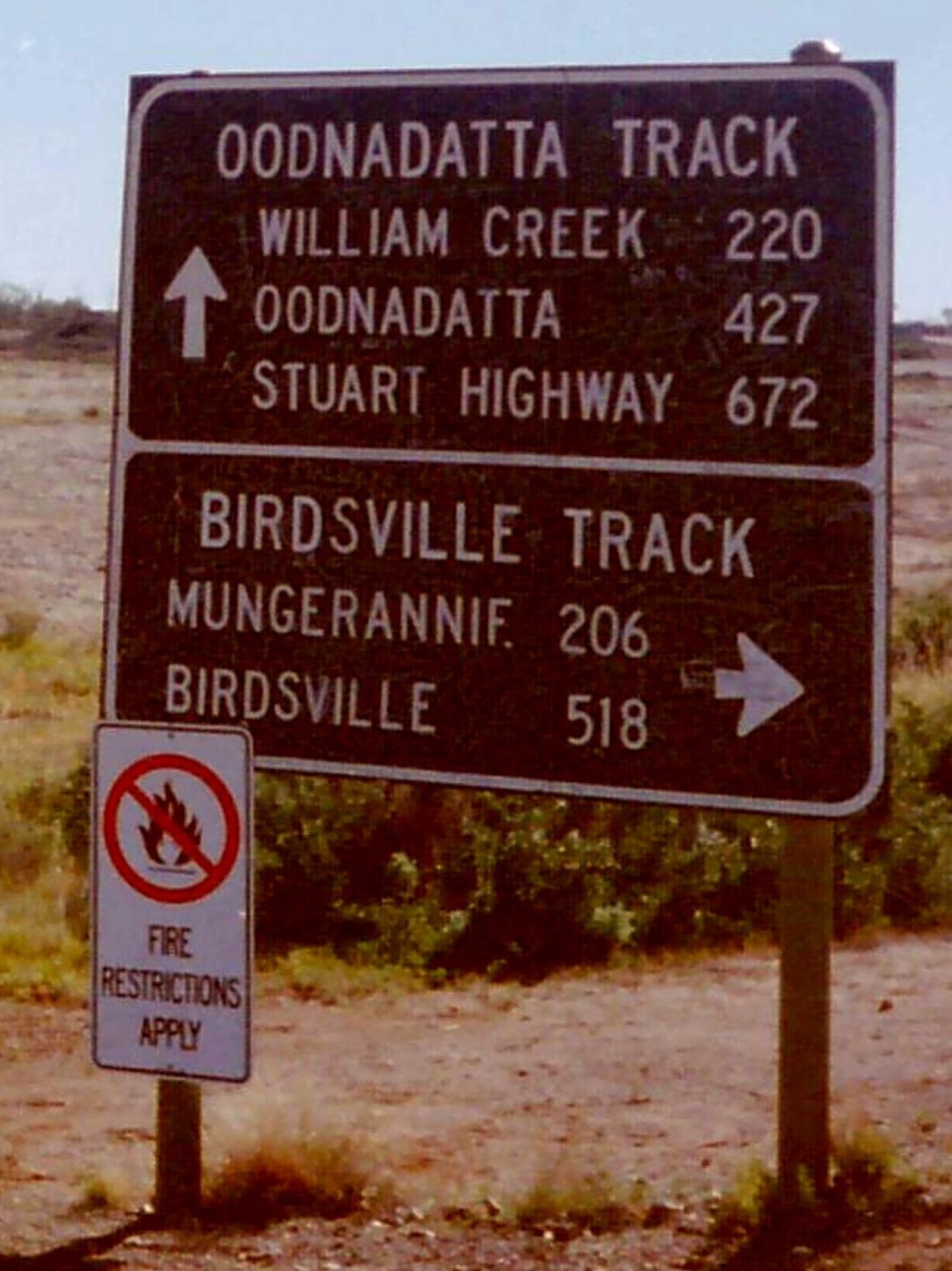
I haven’t yet had the chance to drive the Birdsville Track myself, as weather conditions have always got in the way. On one trip, I arrived at the Marree end only to find the Birdsville end closed due to flooding, so I had to take the long way around instead. I’ve visited Birdsville on another occasion and seen the northern end of the track, but each time I’ve planned to travel the full route, circumstances have led me elsewhere. So for now, the Birdsville Track remains on my must-do list — an adventure still waiting to happen.
The Birdsville Track is one of Australia’s most legendary outback routes, steeped in history, hardship, and adventure. Stretching about 517 kilometres between Marree in South Australia and Birdsville in Queensland, it cuts through some of the country’s most remote and arid landscapes — the edge of the Simpson Desert, the Tirari Desert, and the Sturt Stony Desert.
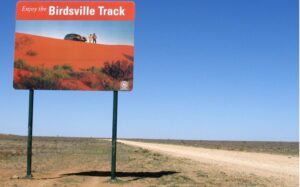
The Birdsville Track began in the 1860s as a stock route, used by drovers to move cattle from Queensland’s Channel Country to the railhead at Marree, where the livestock could be transported to markets in Adelaide. The route followed a line of natural waterholes and artesian bores, crucial for survival in the harsh desert environment. Early travellers faced intense heat, dust, and isolation, with many relying on camel trains before motor vehicles arrived.
One of the most famous figures associated with the Birdsville Track is Tom Kruse, the legendary Birdsville Mailman. From 1936 to 1957, Kruse drove his mail truck along the rough, sandy track to deliver mail, supplies, and news to isolated stations and towns. His journeys became famous across Australia, symbolising the resilience and spirit of the outback. The 1954 documentary “The Back of Beyond” captured one of his mail runs and cemented the Birdsville Track’s place in Australian folklore.
Today, the Birdsville Track is a popular route for 4WD enthusiasts and adventurers, offering a unique mix of history, desert scenery, and outback hospitality. While much of the road has been graded and improved, it still demands respect, preparation, and a well-equipped vehicle.
The Birdsville Track represents the pioneering spirit of inland Australia — connecting remote pastoral communities, showcasing the resilience of early drovers and mailmen, and offering modern travellers a chance to experience the true essence of the outback. Driving it today is both a journey through incredible landscapes and a step back into Australia’s pioneering past.
Timeline of the Birdsville Track
- 1860s – The Beginning
- The Birdsville Track develops as a stock route, used by drovers to move cattle from Queensland’s Channel Country to the railhead at Marree, South Australia.
- The route follows natural waterholes and artesian bores — lifelines for both people and livestock crossing the desert.
- 1880s – Outback Settlement
- Cattle stations and small outposts are established along the track, including Mungerannie Station, which later becomes an important stop for travellers.
- The route becomes one of the most vital inland supply lines between South Australia and Queensland.
- 1930s – The Birdsville Mail Run Begins
- Tom Kruse becomes the mailman on the Birdsville Track in 1936, delivering mail, fuel, and supplies to isolated stations and settlements.
- He uses a Leyland Badger truck, often facing floods, sand drifts, and mechanical breakdowns in extreme desert conditions.
- 1940s–1950s – Fame and Film
- The Birdsville Track gains national fame thanks to the 1954 documentary “The Back of Beyond”, which follows Tom Kruse’s legendary mail run.
- The film highlights the hardships and endurance of those who live and work in the Australian outback.
- 1960s–1970s – Decline of the Mail Run
- Improved transport and air services reduce the need for overland mail deliveries.
- The traditional mail run is gradually phased out, though Tom Kruse’s story remains a symbol of outback resilience.
- 1980s – Rise of Outback Tourism
- With 4WD vehicles becoming popular, the Birdsville Track transforms into a bucket-list adventure route for travellers seeking an authentic outback experience.
- Outback hospitality grows around stops like the Mungerannie Hotel and Birdsville Hotel.
- 1990s–2000s – Road Improvements
- Sections of the Birdsville Track are graded and gravelled, improving safety and accessibility, while maintaining its rugged charm.
- The track remains largely unsealed, preserving its reputation as one of Australia’s great outback drives.
- Today – A Living Piece of History
- The Birdsville Track is now a heritage route and adventure trail, linking the desert towns of Marree and Birdsville.
- It attracts thousands of travellers annually, especially during events like the Birdsville Races.
- The track continues to symbolise the pioneering spirit, endurance, and isolation of the Australian outback.
Preparing your vehicle properly for the Birdsville Track is essential — it’s a remote, unsealed outback route where self-sufficiency and reliability matter far more than speed or comfort. Even though the track is generally well-maintained, it can still be rough, corrugated, and unpredictable depending on the weather and recent traffic.
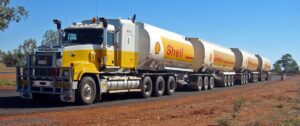
On the Birdsville Track, road trains have right of way — they’re working vehicles doing essential transport in extreme conditions. Show courtesy, keep your distance, and stay alert, and sharing the track with them will be safe and straightforward.
| Situation | What to Do |
|---|---|
| Road train approaching | Slow down, move left, headlights on |
| Being overtaken | Stay steady, move left, reduce speed slightly |
| Overtaking | Use UHF, overtake only with long clear view |
| In dust | Pull over and stop until it clears |
| On narrow sections | Wait for a wider area or pull-out point |
Preparation for the Birdsville Track
- Vehicle Type and Condition
- A high-clearance 4WD or a well-prepared AWD with off-road capability is recommended.
- Your vehicle should be mechanically sound — check everything before departure (fluids, brakes, hoses, suspension, tyres).
- Avoid setting out if you have any doubts about the reliability of your vehicle — roadside repairs and recovery services are limited and expensive.
- Mechanical Preparation Checklist
- Before leaving Marree or Birdsville, go over this list:
- Fluids: Engine oil, coolant, transmission, brake, and power steering fluids topped up and clean.
- Belts & hoses: Inspect for cracks or wear — replace if in doubt.
- Battery: Ensure it’s strong and properly secured. Outback corrugations can loosen connections.
- Filters: Clean or replace air and fuel filters — dust is relentless on the Track.
- Lights & electrics: Check all lights and wiring; carry spare fuses and bulbs.
- Tyres: Fit light-truck (LT) all-terrain tyres in good condition. Carry at least two spares (full size).
- Suspension: Corrugations can be brutal — make sure shocks and springs are in top condition.
- Underbody check: Tighten bolts, look for leaks, and protect vulnerable parts like fuel tanks and brake lines.
- Before leaving Marree or Birdsville, go over this list:
- Tyres & Pressures
- Lower tyre pressures to about 26–30 psi on dirt and corrugated sections — improves comfort and traction, reduces punctures.
- Re-inflate when returning to sealed roads.
- Carry a reliable compressor, tyre pressure gauge, and puncture repair kit.
- Fuel & Range
- Total distance: ~517 km (Marree to Birdsville).
- Fuel stops are available at Marree, Mungerannie Hotel (mid-way), and Birdsville — but always check availability in advance (especially Mungerannie, as supplies can run low).
- Carry at least one jerry can (20 L) of extra fuel as a safety buffer.
- Know your vehicle’s fuel consumption on dirt — it will increase by 20–30%.
- Water, Food & Supplies
- Carry at least 5–7 L of water per person per day, plus a few days’ extra in reserve.
- Bring extra food and snacks — there are no shops between Marree and Birdsville except Mungerannie.
- Keep a first-aid kit, sunscreen, hat, insect repellent, fly nets, and recovery gear handy.
- Navigation & Communication
- Mobile reception is limited or non-existent along much of the Track.
- Bring a UHF radio (Ch 40) to communicate with nearby vehicles.
- Consider carrying a satellite phone or personal locator beacon (PLB) for emergencies.
- Use reliable outback maps or GPS (Hema, ExplorOz, or Parks SA Outback Roads maps).
- Recovery Gear
- Long-handled shovel
- Snatch strap / tow rope
- Rated recovery points
- Tyre deflator / compressor
- Traction boards (MaxTrax or similar)
- Basic tool kit (spanners, pliers, screwdrivers, duct tape, cable ties)
- Even though the Birdsville Track is usually well graded, deep gravel, bulldust holes, and unexpected washouts can catch you out — especially after rain.
- Weather & Road Conditions
- Always check conditions with:
- South Australian Outback Roads website: outbackroads.sa.gov.au
- Diamantina Shire Council road report for Birdsville side.
- Avoid travelling after heavy rain — the track may close for days. Fines apply for driving on closed roads.
- Let someone know your travel plan and expected arrival time at each end.
- Always check conditions with:
- Packing Essentials
- Spare parts: fan belt, hoses, fuses, radiator stop-leak, fuel filter.
- Fluids: engine oil, coolant, brake fluid, water.
- Camping gear: tent, bedding, stove, rubbish bags.
- Personal items: camera, binoculars, journal — it’s a scenic drive worth capturing!
- Final Tips
- Drive at 80–90 km/h on gravel — slower on corrugations or sandy sections.
- Keep headlights on at all times for visibility.
- Stop regularly to stretch, inspect tyres, and enjoy the scenery.
- Respect station gates and private property — stay on marked tracks.
- “Watch out for animals on the road. Apart from the native wildlife lingering on the road, there is also the risk that a mob of cattle, or a flock of sheep is driven over the road.” 1
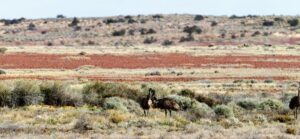
Places to stay along the Birdsville Track (Maree to Birdsville)
- Maree Hotel
- Hotel rooms, cabins, caravan park behind pub. Free camping at the pub behind the hotel. Start-point of the track; good to fill supplies and rest.
- Clayton Wetlands Campsite (on Clayton Station)
- Bush camp with toilets, showers, a hot spa, and BBQs. A more remote night stop.
- Coolibah Camp (Dulkaninna Station)
- Campground on station with basic facilities: shower/toilet/camp kitchen. Good for a calm stop in between.
- Mungerannie Hotel
- Pub with cabins, campsite, showers, toilets, fuel & minor car repairs. Major mid-track stop. Excellent for rest, refuel, and a meal.
- Tippipila Bush Camp
- Basic camp site: toilet, basin, bore water. Last major stopping point before Birdsville.
- Birdsville Hotel + Caravan Park
- Motel rooms, cabins, powered sites, caravan/camper facilities. End-point of the track; larger town with more amenities.
The best time to drive the Birdsville Track is during the cooler, drier months. This period offers the most comfortable temperatures, safest conditions, and the most enjoyable outback experience.
- Best Months: April – October
- Weather: Daytime temperatures are mild (around 18–28°C) and nights are cool.
- Road Conditions: Dry and firm, making the track easier to drive even for those with moderate 4WD experience.
- Wildlife & Scenery: Cooler weather brings active wildlife, wildflowers (especially after rain), and clearer skies for photography and stargazing.
- Events: The Birdsville Races (early September) and other outback gatherings make this a popular time to visit — but accommodation fills quickly, so book well in advance.
- Summer: November – March (Avoid if Possible)
- Temperatures: Extremely hot — often exceeding 40–45°C during the day.
- Safety Risks: Heat stress, tyre blowouts, and dehydration risks increase.
- Rain & Flooding: Occasional heavy summer rains can close the track entirely, sometimes for weeks. Remote sections can become impassable due to flooding or soft clay.
- Services: Some roadhouses or accommodations may close or operate with limited hours due to the heat.
- After Rain
- Even in cooler months, check road reports before departure.
- The Birdsville Track is unsealed, so rain can make sections slippery or impassable.
- The South Australian Outback Roads website or local visitor centres (Marree, Birdsville, Mungerannie) provide up-to-date road conditions.
Key Events In Birdsville
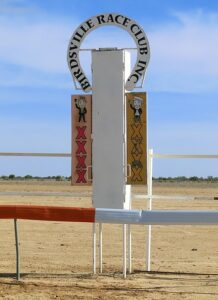
- Birdsville Races – Held annually in early September, this horse-racing carnival draws thousands of visitors from across Australia. Features include the TAB Birdsville Cup, fun runs, the “Fashions on the Field”.
- Big Red Bash – A very remote music festival staged near Birdsville (at the Big Red dune). Usually in July. Live music under the desert sky, camping, sand-dune activities such as Big Blue Day, Camel rides, Sunrise Yoga, Drag Race, Scenic helicopter flights, and Big Screen Movie.
Key Events in Maree
- Marree Camel Cup – A fun, outback-style event featuring camel racing (and novelty races like dogs and donkeys), live music, food and family activities. Usually early July.
- Gymkhana & Motorkhana – Held over the June long weekend at the Marree Race Course, offering outback motor sport and horse events.
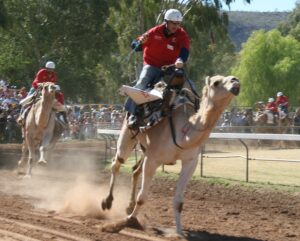
TIP: Accommodation is limited — a good idea is to arrive ahead of the event/s and secure your spot.
Top Things to See & Do in Birdsville
A legendary outback town on the edge of the Simpson Desert, Birdsville is known for its rugged beauty, pioneering history, and vibrant community events.
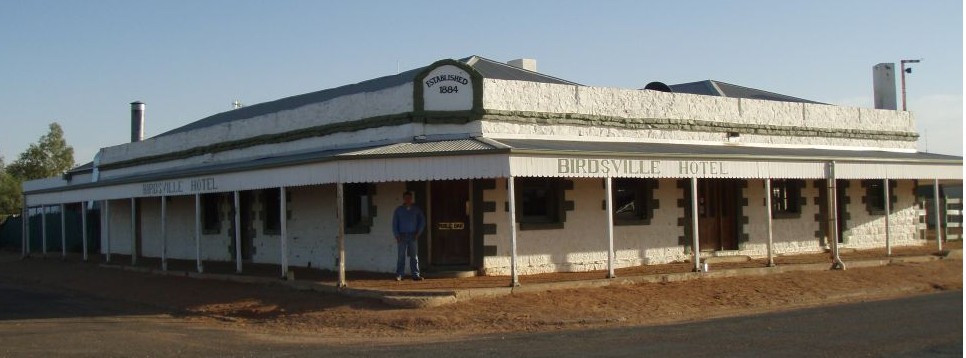
- Birdsville Hotel (1884)
- One of Australia’s most famous outback pubs. Built from stone in 1884, it’s still serving travellers today.
- Enjoy a meal, a cold drink, and soak up the atmosphere filled with racing and desert memorabilia.
- Big Red
- The first and tallest dune of the Simpson Desert, about 35 km west of Birdsville.
- A must-do for 4WD enthusiasts — climb or drive to the top for sunset views over the endless desert dunes.
- Birdsville Billabong
- A peaceful waterhole on the edge of town, great for camping, kayaking, birdwatching, and sunrise photography.
- Birdsville Working Museum
- A quirky collection of historical machinery, blacksmith tools, and early outback artefacts.
- Offers insight into how early pioneers survived in one of Australia’s harshest regions.
- Waddi Trees (Acacia peuce)
- Ancient and rare desert trees found near Birdsville — some over 1,000 years old.
- There are only three known populations in Australia, making this a unique natural site.
- Simpson Desert National Park (Munga-Thirri)
- The eastern gateway to Australia’s largest sand dune desert — over 1,100 parallel dunes.
- Access for experienced 4WDers only; you’ll need a desert parks permit if venturing in.
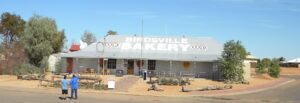
- Birdsville Bakery
- A local legend — famous for its curried camel pies and cold drinks.
- A great breakfast or lunch stop for travellers on the move.
Top Things to See & Do in Marree
Marree marks the southern end of the Birdsville Track — a historic outback hub where the Oodnadatta and Birdsville Tracks meet.
- Marree Hotel (1883)
- A heritage-listed hotel filled with photos, relics, and outback stories — including a mini-museum dedicated to mailman Tom Kruse of the Birdsville Track.
- Stay for a meal or chat with locals about the town’s frontier history.
- Tom Kruse Museum (inside Marree Hotel)
- Learn about the legendary “Mailman of the Birdsville Track”, who delivered mail and supplies in the 1930s–1950s.
- See film clips, historic artefacts, and photos from The Back of Beyond.
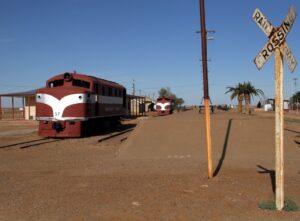
- Old Ghan Railway Ruins & Yard
- Explore remnants of the Old Ghan Railway, which once connected Port Augusta to Alice Springs.
- The old station and relics of steam-era outback travel remain scattered around Marree.
- Lake Eyre (Kati Thanda)
- Just north of Marree, this vast salt lake transforms into a shimmering inland sea during rare flood events.
- You can take scenic flights over the lake from Marree Air Charter — breath taking views when it holds water.
- Just north of Marree, this vast salt lake transforms into a shimmering inland sea during rare flood events.
- The Marree Man Geoglyph
- A mysterious 4.2 km tall figure carved into the desert plateau west of Marree — only visible from the air.
- Can be seen on a scenic flight — its origin remains an Australian mystery.
- Oodnadatta and Birdsville Track Junction
- Marree is the meeting point of two of Australia’s most famous outback tracks — perfect for travellers exploring deeper into the interior.
- Mosque Sites
- Marree has deep ties to Australia’s early Afghan cameleers.
- Visit the remains of two of the oldest Muslim mosques in Australia, dating back to the late 1800s.
- Lake Eyre Sailing Club
- Based in Marree, is a unique outback sailing club whose members sail on Kati Thanda–Lake Eyre when it floods, making it one of the most remote and extraordinary sailing experiences in the world.
Top Things to See and Do on the Birdsville Track
- Visit the Clayton Wetlands & Clayton Station Hot Tub (53 km north of Marree)
- A quirky and relaxing stop! There’s a homemade “outback spa” — a clawfoot bath filled with warm artesian bore water.
- Great spot for camping, birdwatching, and a refreshing soak under the stars.
- Facilities include showers, toilets, and a campground run by Clayton Station.
- See the Lake Harry Ruins (Approx. 35 km north of Marree)
- The remains of the old Lake Harry Date Plantation (1890s) — one of the first attempts to grow dates in Australia.
- Explore the stone ruins and windmill near the old artesian bore, with views across the shimmering salt lake flats.
- Camp or Stop at Mungerannie Hotel (Midway point — 204 km north of Marree)
- The only fuel, food, and drink stop on the track.
- Enjoy a cold beer, chat with fellow travellers, and check out the pub’s collection of outback memorabilia.
- Behind the hotel is a natural artesian hot spring and waterhole, home to many birds — perfect for an evening dip or photography.
- Spot Wildlife and Birdlife at Mungerannie Wetlands (Next to the Mungerannie Hotel)
- A natural oasis in the desert — hundreds of species of birds flock to the warm artesian-fed wetlands.
- Bring binoculars for pelicans, brolgas, and corellas, and enjoy a walk around the area.
- See the Cooper Creek Crossing (Near Etadunna and Kopperamanna ruins area)
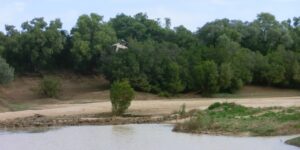
- One of the most famous features of the track, Cooper Creek only flows after heavy rain, creating a rare desert river crossing.
- In flood, the crossing can close the track, but when dry it’s an iconic photo stop surrounded by birdlife and gibber plains.
- Explore the Ruins of Old Outback Stations (Scattered along the track)
- Visit remains of early homesteads, stockyards, and wells, including:
- Mulka Ruins (around 150 km north of Marree) — historic stone homestead and stockyards from the late 1800s.
- Etadunna Station — once a major cattle and camel depot on the route.
- Pandie Pandie Station (near Birdsville) — large working cattle property dating back to the 1870s (no public access, but visible from the road).
- Visit remains of early homesteads, stockyards, and wells, including:
- Kopperamanna Mission Site ( Just north of Etadunna)
- Historic site of a German Lutheran mission (1880s) established to serve Aboriginal communities and station workers.
- Ruins and old grave markers remain; a fascinating glimpse into outback mission life.
- Check Out the Geographical & Geological Features
- The Birdsville Track runs through a changing landscape of gibber plains, salt lakes, sand dunes, and stony deserts.
- Great photography opportunities at sunrise and sunset, especially around:
- Mirra Mitta Bore — hot artesian water steaming into the desert.
- Cooryanna and Clifton Hills regions — sweeping desert vistas.
- Birdwatching and Stargazing
- The remote desert sky is crystal-clear, making for amazing stargazing — you’ll see the Milky Way like never before.
- The wetlands and bores attract flocks of corellas, kites, galahs, and wedge-tailed eagles — perfect for photographers.
- Enjoy the Outback Drive Itself
- The real magic of the Birdsville Track is the journey — the wide horizons, isolation, and sense of Australia’s frontier past.
- You’re following the same route used by Tom Kruse, the legendary mailman, who delivered supplies and mail along this track for decades.
- Mt. Gason Bore (near the northern end, close to the Queensland–South Australia border)
- A historic artesian bore drilled in the late 1800s to provide vital water for stock and travellers crossing the arid desert. The bore still flows warm water from the Great Artesian Basin, creating a small wetland that attracts birds and wildlife — a welcome oasis in the harsh outback landscape.
- Warburton Crossing (north of Mungerannie)
- Significant point where the Warburton River—an offshoot of Cooper Creek—crosses the route. This area is often dry, but after heavy rains in Queensland, it can flood and cut the track for weeks at a time, transforming the surrounding desert into a network of shimmering water channels and wetlands. When passable, Warburton Crossing offers a striking glimpse of how water shapes life in the outback, supporting birdlife and cattle stations in one of Australia’s most remote regions.
Cairns and Markers Along the Birdsville Track
- Tom Kruse Memorial Cairn – Mungerannie Hotel (Mungerannie Hotel, halfway along the track)
- This cairn commemorates Tom Kruse, the legendary “Mailman of the Birdsville Track”, who delivered mail, supplies, and news between Marree and Birdsville from the 1930s to the 1950s.
- Built from local stone, it features a plaque honouring Kruse’s service and the film The Back of Beyond (1954), which made him a national icon.
- The Mungerannie Hotel also displays mail run memorabilia, photos, and stories of his adventures.
- Tom Kruse’s Truck Marker – Birdsville (Near the Birdsville Courthouse precinct)
- A replica Leyland Badger truck (the same type Kruse used) stands as a tribute to his work.
- It represents the resilience required to drive the Birdsville Track when it was nothing more than wheel ruts through the desert.
- The plaque nearby describes Kruse’s contribution to outback communication and how he helped connect remote station families.
- Kopperamanna Mission Cairn (Near Etadunna Station, about 130 km north of Marree)
- Marks the site of the Kopperamanna Mission, established in the 1880s by German Lutherans for Aboriginal people and station workers.
- The cairn stands among the remains of the old church and cemetery, with plaques explaining the mission’s history and its significance to early settlement in the region.
- Mulka Ruins Information Marker (Approx. 150 km north of Marree)
- An interpretive sign and marker explain the story of the Mulka Station ruins, once a cattle and camel depot.
- The site gives insight into the hardships faced by pastoral families and workers living along the track in the late 1800s.
- Cooper Creek Crossing Marker (Cooper Creek causeway)
- Marks one of the most famous landmarks on the Birdsville Track — the crossing of Cooper Creek, which occasionally floods and cuts the road.
- Plaque explains the creek’s link to early explorers such as Burke and Wills and its role as a rare permanent water source in the desert.
- Historic Survey Cairns (Minor Sites)
- In several places along the track, you might notice small rock cairns or survey markers, often unlabelled.
- These were built by early surveyors, stockmen, and road builders to mark distances, bores, or property boundaries.
- Some are still used by road maintenance crews as location points.
- Birdsville Track Cairn – Marree (southern entrance in Marree)
- Stone commemorative cairn marking the beginning of one of Australia’s most legendary outback routes. The plaque on the cairn reads:
- “The Birdsville Track – Pioneers brought their sheep and cattle to the vastness of these Aboriginal Lands before Marree was established. Drovers, Cameleers, Teamsters and Mailmen battled the Track making development and even survival possible. Through their deeds the Track became an Australian legend. This Cairn honours these People of the Track and commemorates the centenary of Marree. 1883–1983.” 2
- This cairn symbolises the spirit of endurance, courage, and cooperation that defined life along the Birdsville Track. It pays tribute to the early pastoralists, Afghan cameleers, Indigenous guides, drovers, and mailmen like Tom Kruse, whose efforts connected remote cattle stations and communities across one of the harshest landscapes in the country. For many travellers, stopping at this cairn marks the true start of the Birdsville Track adventure, where history and the outback journey meet.
Marree – Gateway to the Birdsville Track
- The town of Marree was established in the 1880s as a vital outpost where the Oodnadatta and Birdsville Tracks meet. Originally known as Hergott Springs, it was renamed Marree during World War I and became a thriving frontier town built around the Great Northern (later Ghan) Railway. It served as the last major supply point before the desert, where drovers, explorers, and cameleers prepared for the long, harsh journey north to Birdsville and beyond.
- Marree’s heritage reflects the unique cultural blend of the outback. Afghan and Pakistani cameleers established camel transport routes that carried mail, supplies, and stock across terrain that early vehicles could not handle, while Aboriginal guides and stockmen shared their deep knowledge of the land and water sources. The remains of one of Australia’s oldest Afghan mosques still stand in the town, a reminder of this diverse and resilient community.
- Today, Marree continues to welcome travellers at the gateway to the Birdsville Track — a place where history, endurance, and outback spirit come together. Standing before the cairn, visitors are reminded that they’re following in the wheel tracks of pioneers who turned isolation into legend.
Books
- Birdsville Track Outback Travellers Guide by Design Interaction.
- Mailman of the Birdsville Track: The story of Tom Kruse by Kristin Weidenbach.
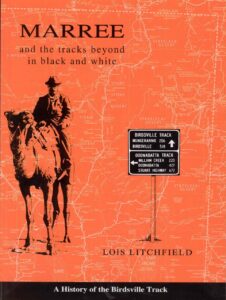
- Marree and the Tracks Beyond by Lois Litchfield.
Maps
- Birdsville & Strzelecki Tracks Map by Westprint Maps.
- Birdsville Track Map: https://birdsvilletrack.com.au/birdsville-track-map/
Useful Links
- Birdsville Track: https://www.ritas-outback-guide.com/BirdsvilleTrack.html
- Ultimate Guide to the Birdsville Track: https://total4x4.com.au/ultimate-guide-to-the-birdsville-track/
- The Birdsville Track – A Guide to Driving One of Australia’s Most Iconic Routes: https://www.chartandmapshop.com.au/blogs/blog/guide-to-driving-birdsville-track?srsltid=AfmBOoqSZcTJprLTAsxi1tgCVYwsd5oHb8uq4Zbl9tS2zY3I22S958Oy
- Your Complete Travel Guide to The Birdsville Track: https://topwiretraveller.com/birdsville-track/
- Birdsville Track Audio Tour: https://birdsvilletrack.com.au/
- Birdsville Track: https://www.exploroz.com/treks/birdsville-track
- Birdsville Track: https://whenthecatsaway.net/category/australia/south-australia/birdsville-track/
- The Birdsville Track – for lovers of the Outback – Part 1: https://www.snowys.com.au/blog/the-birdsville-track-for-lovers-of-the-outback-part-1/
- The Birdsville Track – for lovers of the Outback – Part 2: https://www.snowys.com.au/blog/the-birdsville-track-for-lovers-of-the-outback-part-2/
- Marree, SA: https://www.aussietowns.com.au/town/marree-sa
- Birdsville, QLD: https://www.aussietowns.com.au/town/birdsville-qld
- Birdsville: https://www.thediamantina.com.au/Discover/Birdsville
- The Birdsville Hotel: https://birdsvillehotel.com.au/
- Birdsville Bakery: https://birdsvillebakery.com.au/
- Burke and Wills Dig Tree: https://www.outbackqueensland.com.au/attractions/burke-and-wills-dig-tree/
- Birdsville Races: https://birdsvilleraces.com/
- Birdsville Old Hospital Museum: https://www.outbackqueensland.com.au/attractions/birdsville-old-hospital-museum/
- Birdsville Old Hospital Museum: https://www.thediamantina.com.au/Experience/Things-to-Do/Birdsville-Old-Hospital-Museum
- Birdsville Courthouse Experience: https://www.thediamantina.com.au/Experience/Things-to-Do/Birdsville-Courthouse-Experience
- Mungerannie Hotel: https://www.mungeranniehotel.com.au/
- List Of All Birdsville Track Campsites: https://www.followourtravels.com/all-birdsville-track-campsites/
- 7 essential stops on the Birdsville Track for caravanners: https://rvdaily.com.au/birdsville-track-caravan-stops/
- Birdsville Track with a caravan: https://www.ritas-outback-guide.com/birdsville-track-with-a-caravan.html
- Birdsville Big Red Bash: https://bigredbash.com.au/home/
- Outback road warnings map: https://www.dit.sa.gov.au/outbackroads
- Off-Road Travel Tips: Lessons from Our Journey to Birdsville: https://www.club4x4.com.au/blog/birdsville-offroad-travel-tips/
- What’s on in Marree: https://www.marree.com.au/Events/events.html
- Birdsville Tourist Park: https://www.thediamantina.com.au/Stay/Birdsville-Tourist-Park
- https://www.ritas-outback-guide.com/OutbackDriving.html ↩︎
- https://whenthecatsaway.net/2021/05/27/23-26-may-its-all-part-of-the-adventure-on-the-birdsville-track/ ↩︎