

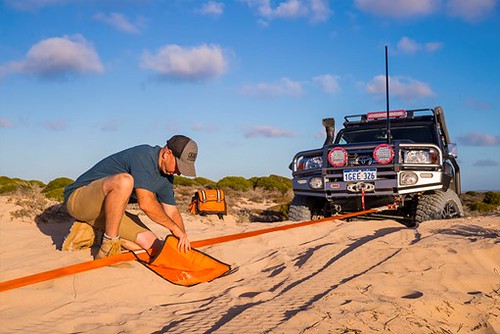
Before heading off-road, both you and your vehicle must be properly prepared. Off-road environments can be unpredictable, and being ready helps ensure not only your safety but the reliability and performance of your 4WD vehicle. Whether you’re tackling rocky trails, deep mud, sand dunes, or remote tracks, preparation is key to avoiding breakdowns, getting stuck, or putting yourself and others in your vehicle at unnecessary risk.
“4WD’s are subject to hard work when driven off-road. If you don’t maintain your vehicle, then you’ll have problems” 1 — and those problems usually show up when you least expect them, far from help.
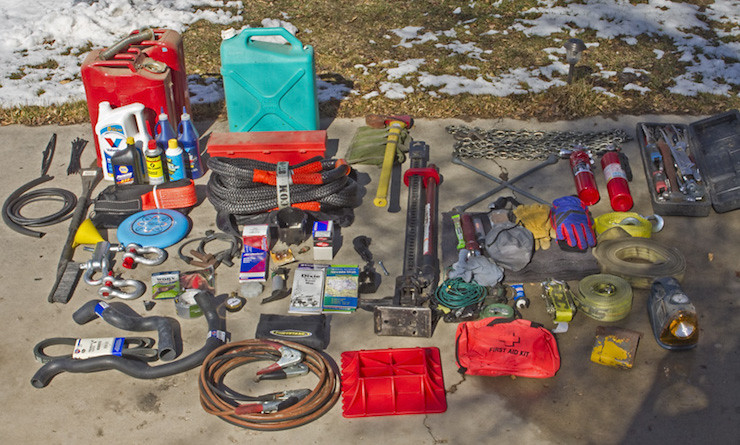
Requirements for carrying of equipment and/or supplies will depend upon the trip classification, the duration of the trip, and the remoteness of the trip.
- Recovery straps (snatch straps)
- Rated D-shackles or soft shackles
- Bow shackle
- Recovery points on vehicle (front and rear, plus optional bridle strap according to the vehicle’s design)
- UHF CB radio – 477Mhz, 80-channel
- Recovery tracks
- Shovel
- Tyre deflator and air compressor
- First aid kit
- Fire extinguisher (accessible to the driver)
- Water (minimum 4–5L per person per day)
- Fuel (sufficient for the trip and delays)
- Food and snacks
- Matches
- Satellite phone or personal locator beacon (PLB) if going remote
- Spare parts (appropriate to the nature of the trip)
- Maps of the area you are travelling (current)
- Trash bag — leave no trace
- Tyre repair kit
- Basic tool kit
- Sand flag
- Vehicle manual
Let us know if there is anything else you think should be included on this list in the comment section below.
Useful Links
- Essential items you should pack for any off-road trip: https://www.club4x4.com.au/blog/toolkit-spares-essential-gear/
- The Most Comprehensive Packing List for 4WD Touring: https://roughasguts.com.au/guides/4wd-packing-list/
- Essential Packing Checklist for a 4WD Adventure in Australia: https://www.trendrentals.com.au/blog/2025/09/11/essential-packing-checklist-for-a-4wd-adventure-in-australia/
- 4WD Checklist (for the Red Center): https://www.discovercentralaustralia.com/things-to-do/4-wheel-driving/4wd-checklist-equipment-for-touring
- What you need in a Basic Recovery Kit: https://www.club4x4.com.au/what-you-need-in-a-basic-recovery-kit/
- https://www.snowys.com.au/blog/4wd-safety-guide/?srsltid=AfmBOorNzTw931Iy3Mdxz3ZsNonlVpzQtteSb89HnEsDzC59fSqXtsOs ↩︎