

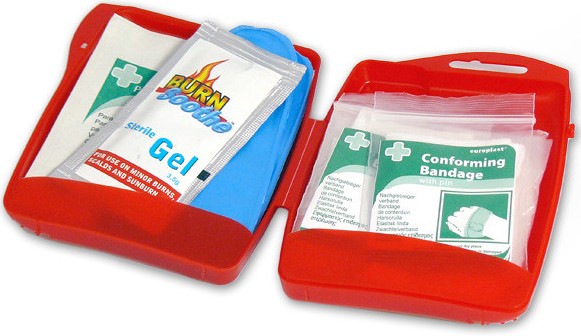
Carrying a first aid kit while four-wheel driving is essential for safety, as remote and off-road areas are often far from medical help. A well-equipped kit allows you to treat injuries such as cuts, burns, bites, or sprains immediately, reducing the risk of complications. It’s especially important when travelling in rugged terrain where accidents, vehicle recovery injuries, or encounters with wildlife can occur. Being prepared with a first aid kit — and knowing how to use it — can make a crucial difference in an emergency while exploring remote locations.
A good first aid kit for four-wheel driving should be comprehensive enough to handle minor injuries and emergencies, especially in remote areas where medical help may be hours away.
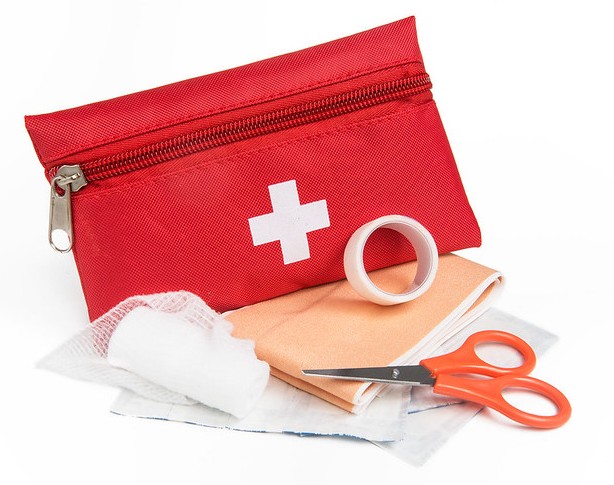
- Basic First Aid Essentials
- Adhesive bandages (various sizes)
- Sterile gauze pads and adhesive tape
- Antiseptic wipes or solution (e.g., Betadine)
- Antibacterial ointment or cream
- Tweezers, scissors, and safety pins
- Disposable gloves
- Cotton swabs and cleansing wipes
- Injury and Trauma Supplies
- Elastic (crepe) bandages for sprains and support
- Triangular bandages (for slings)
- Sterile eye pads
- Cold/ice pack (instant type)
- Thermal blanket
- Burn gel or burn dressings
- Wound closure strips or butterfly bandages
- Outback-Specific Items
- Snake bite bandages with indicator markings
- Saline solution for eye or wound irrigation
- Insect bite and sting relief
- Sunscreen and lip balm
- Hydration salts or electrolyte tablets
- Medications and Personal Items
- Pain relief (paracetamol, ibuprofen)
- Antihistamines (for allergic reactions)
- Anti-diarrhoeal and anti-nausea medication
- Any personal prescription medicines (clearly labelled)
- Hand sanitiser
- Additional Useful Gear
- First aid manual or quick-reference guide
- Emergency contact and medical information card
- CPR face shield or mask
- Torch/headlamp with spare batteries
- Notepad and pencil (to record incidents)
For serious off-road or remote trips, consider a comprehensive outback first aid kit and first aid training, so you know how to respond effectively in an emergency.
Where to Store Your First Aid Kit in Your Car
Your first aid kit is only useful if you can reach it quickly when you need it! The best place to store it is somewhere secure, accessible, and protected from heat and damage.
Best options:
- Glove compartment or centre console – Ideal for small kits you might need during a drive or minor roadside incident.
- Under a seat – Keeps the kit out of sight but still within easy reach.
- Cargo area (boot) – For larger kits, store them in a clearly marked box or bag that’s not buried under gear.
Avoid:
- Leaving it loose on the back seat (it can become a projectile in a sudden stop).
- Placing it in direct sunlight or near windows, where heat can damage supplies.
Being prepared — and knowing where your first aid kit is — can make all the difference in an emergency!
Store your kit in a waterproof, clearly labelled container, and check it every 6–12 months to replace expired items.
First Aid Fact Sheets
https://stjohn.org.au/resources/fact-sheets
- Allergic Reactions & Asthma
- Bites, Stings & Animal Injuries
- Bleeding, Wounds & Skin Injuries
- Choking & Breathing Issues
- Environmental & Heat/Cold Exposure
- Essential Emergency Response
- Injuries: Musculoskeletal & Physical Trauma
- Medical Emergencies
- Resources & Tools
First Aid – Your Safety Comes First!
When faced with an emergency, our instinct is often to rush in and help — but it’s vital to make sure you are safe first before providing first aid.
Whether it’s a road accident, a fall, or any unexpected situation, assessing the scene is the very first step. Look for hazards such as traffic, fire, electrical dangers, or unstable surfaces. If the environment isn’t safe, do not enter — instead, call for help and wait until it’s safe to proceed.
Remember the key rule:
“You can’t help others if you become a casualty yourself.”
Once the area is safe, you can confidently move in to assist, apply your first aid skills, and make a real difference.
Stay alert, stay safe — and always put your safety first!
Australian Bites and Stings – New App
“First-aid advice for venomous bites and stings at your fingertips.”1
“Australia’s manufacturer of antivenom CSL Seqirus has launched an app to help people respond to and treat venomous bites and stings. A venom expert says the Australian Bites & Stings app could help save lives and minimise hospitalisations.”2
Useful Websites
- First aid basics: https://www.healthdirect.gov.au/first-aid
- Essential Components of a Four-Wheel-Drive First Aid Kit: https://survivalfirstaidkits.net.au/pages/4wd-first-aid-kit?srsltid=AfmBOooZBPuwNgRC0_lctpG_fBSmHfjnpHPJfkDv6LkfsQt4NlKWhL4m
- Planning an Offroad Adventure? Here’s Everything Your Need in Your 4WD First Aid Kit: https://lfafirstresponse.com.au/blogs/planning-an-offroad-adventure-heres-everything-your-need-in-your-4wd-first-aid-kit
- 4WD First Aid Kit; have you got one?: https://www.4wdingaustralia.com/4×4/4wd-first-aid-kit/
- First Aid Kits for 4WDing: https://survivalfirstaidkits.net.au/pages/4wd-first-aid-kits#:~:text=%22If%20you’re%20out%20alone,of%20the%20harsh%20Aussie%20outback.
- Top 5 best first aid kits in Australia: https://irfa.au/top-5-best-first-aid-kits-in-australia-2025-buyers-guide-expert-picks/#:~:text=Includes:,your%20glovebox%20can%20save%20lives.
- First aid basics and DRSABCD: https://www.betterhealth.vic.gov.au/health/conditions-and-treatments/first-aid-basics-and-drsabcd
- How to treat a snake bite: https://www.stjohnwa.com.au/online-resources/first-aid-information-and-resources/snake-bite
- Outback Survival: Snakes and Snakebites: https://www.flyingdoctor.org.au/qld/news/outback-survival-snakes-and-snakebites/
- A Guide To Remote First Aid: https://www.stjohnvic.com.au/news/guide-to-remote-first-aid/
- St John 4WD & Camping First Aid Kit: https://shop.stjohn.org.au/products/4wd-camping-first-aid-kit?srsltid=AfmBOooN8L7ch21iyuB5dbQFtGeTTgi3OVHH0xRDE1Q_5RxRAfX3Mnzy
- 4WD First Aid Kit: https://shop.redcross.org.au/first-aid/first-aid-kits/vehicle/4wd-first-aid-kit/
- First Aid Kits: https://maxtrax.com.au/collections/first-aid-kits?srsltid=AfmBOooHBmy7R7X-oiJwO51jYzFDP1OsSQrFIbtJmCQ7-dBNT0oO8RzD
- First-aid advice for venomous bites and stings at your fingertips with new app: https://www.abc.net.au/news/2025-12-06/australian-bites-stings-app-provides-emergency-first-aid-advice/106100610?utm_campaign=abc_news_web&utm_content=link&utm_medium=content_shared&utm_source=abc_news_web
- https://www.abc.net.au/news/2025-12-06/australian-bites-stings-app-provides-emergency-first-aid-advice/106100610?utm_campaign=abc_news_web&utm_content=link&utm_medium=content_shared&utm_source=abc_news_web ↩︎
- https://www.abc.net.au/news/2025-12-06/australian-bites-stings-app-provides-emergency-first-aid-advice/106100610?utm_campaign=abc_news_web&utm_content=link&utm_medium=content_shared&utm_source=abc_news_web ↩︎