

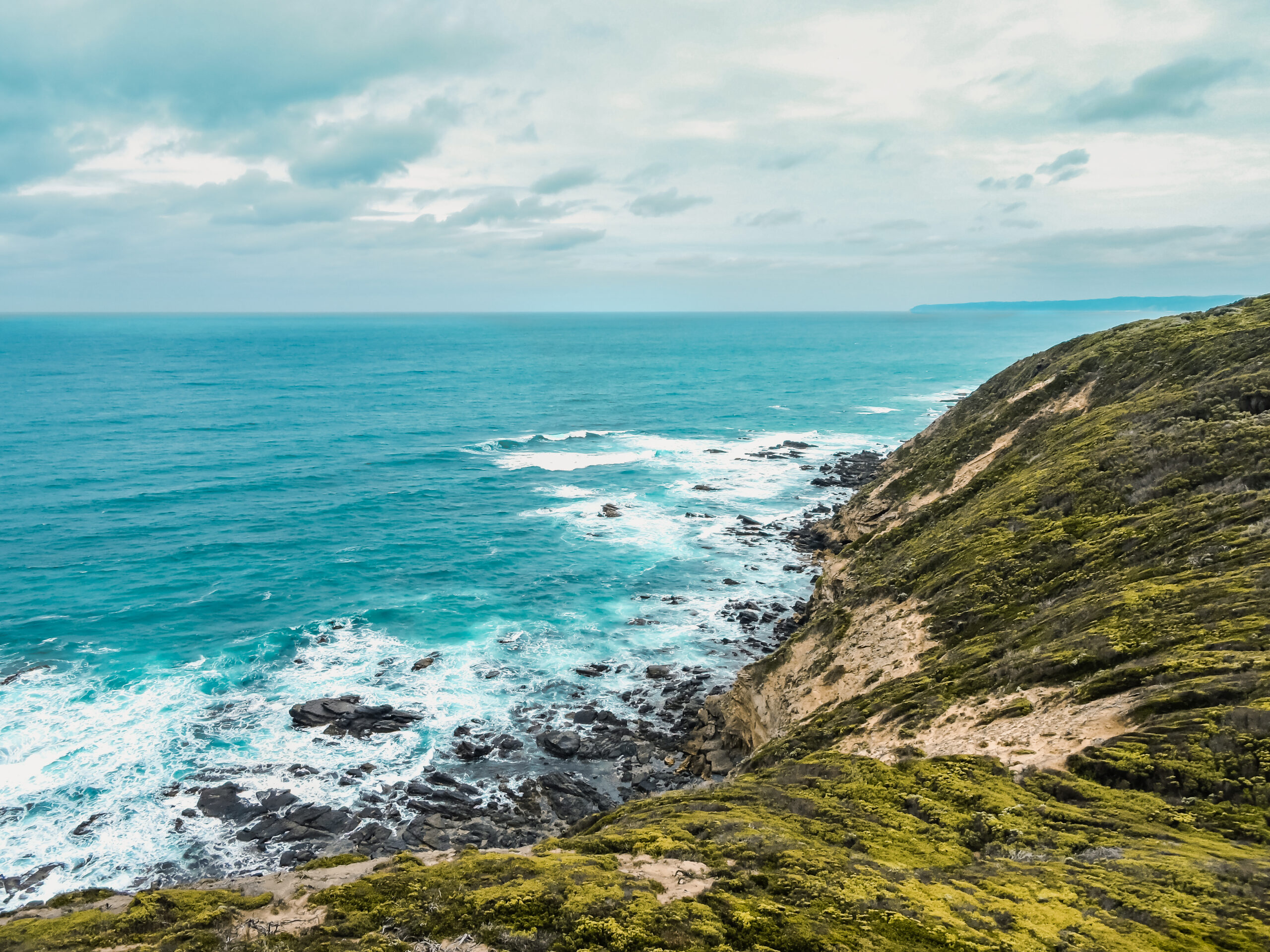
The Great Otway National Park (usually just called “the Otways”) is in south-west Victoria, along the coast between Geelong (near Melbourne side) and Warrnambool (further west). About 2–3 hours southwest of Melbourne, it’s just inland from the Great Ocean Road and covers a big area of thick rainforest, tall trees, mountains, rivers and coastline. There are lots of dirt roads, and one of the best easy-medium 4WD tracks in Victoria.
It basically runs behind famous coastal towns like:
- Lorne
- Apollo Bay
How to get there
Most people enter the Otways via:
Option 1 (most common)
- Melbourne → Geelong → Lorne → head inland into the forest
Option 2 (good for 4WD trips)
- Melbourne → Colac → Forrest (straight into the heart of the Otways)
What makes this a great trip
The Otways are perfect because you can:
- Drive a few tracks
- Stop at waterfalls
- Camp in the bush
- Finish at the beach
Towns in the Otways
Colac (Gateway to the Otways)
- Botanic Gardens
- Lake Colac and Foreshore
- Lake Colac Foreshore Arts Project
- Barongarook Creek Walk
- Colac Heritage Walk
- Red Rock Lookout
- Colac Otway Performing Arts and Cultural Centre
- Old Beechy Rail Trail (To Beech Forest)
Apollo Bay
- Old Cable Station Museum
- Bass Strait Shell Museum
- Apollo Bay Arts Gallery
- Marriners Lookout
- Apollo Bay Surf and Kayak
- Artworks on Foreshore
- Wildlife Wonders
- Cape Otway Lighthouse
- Maits Rest Rainforest Walk
Winchelsea (Gateway to the Otways)
- Heritage Walk
- Barwon Hotel
- Barwon River Bridge
- Globe Theatre
- Barwon Park Mansion
- Lions Park Playground
Lorne
- Shipwreck Walk
- Heritage Walk
- Swing Bridge (Erskine River)
- Erskine House
- Teddy’s Lookout
- Lorne Historical Society Museum
- Qdos Arts
- Go Ride A Wave (Surf lessons)
- The Great Ocean Road Story (Great Ocean Road Heritage Centre)
Lavers Hill
- The Drift (Sculpture)
- Melba Gully and the Madsen’s Track Nature Walk
Beech Forest (Otway Ranges)
- Otway Fly Treetop Adventure
- Triplet Falls
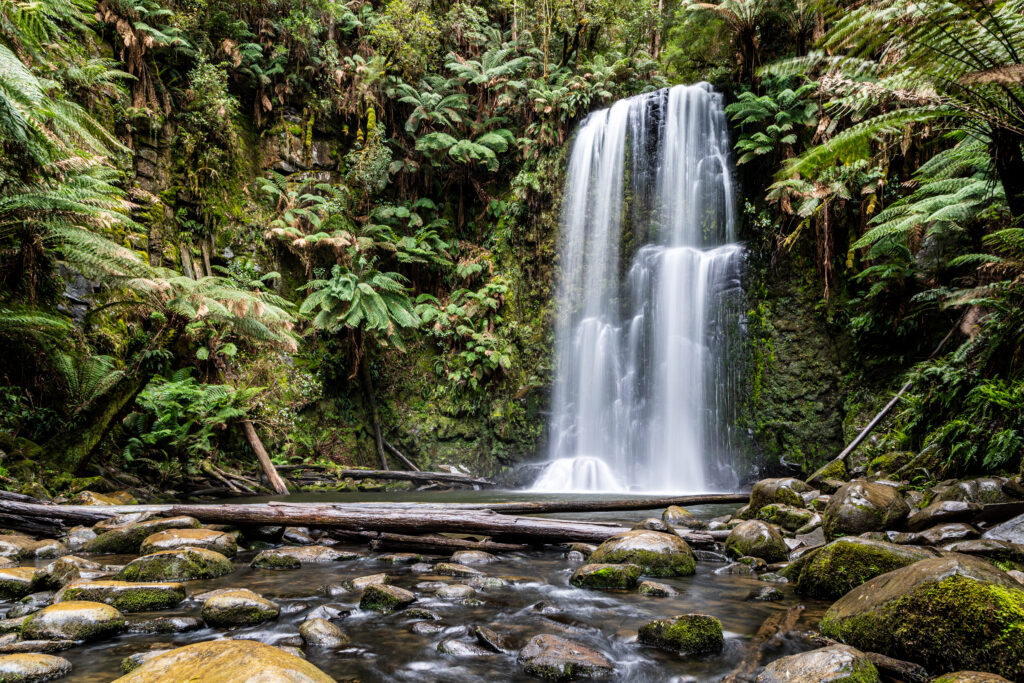
- Beauchamp Falls
- Hopetoun Falls
- Old Beechy Rail Trail (To Colac)
- Otway Harvest Trail
Wye River
- Point Sturt
- Paddy’s Path
Otway Fly TreeTop Adventure
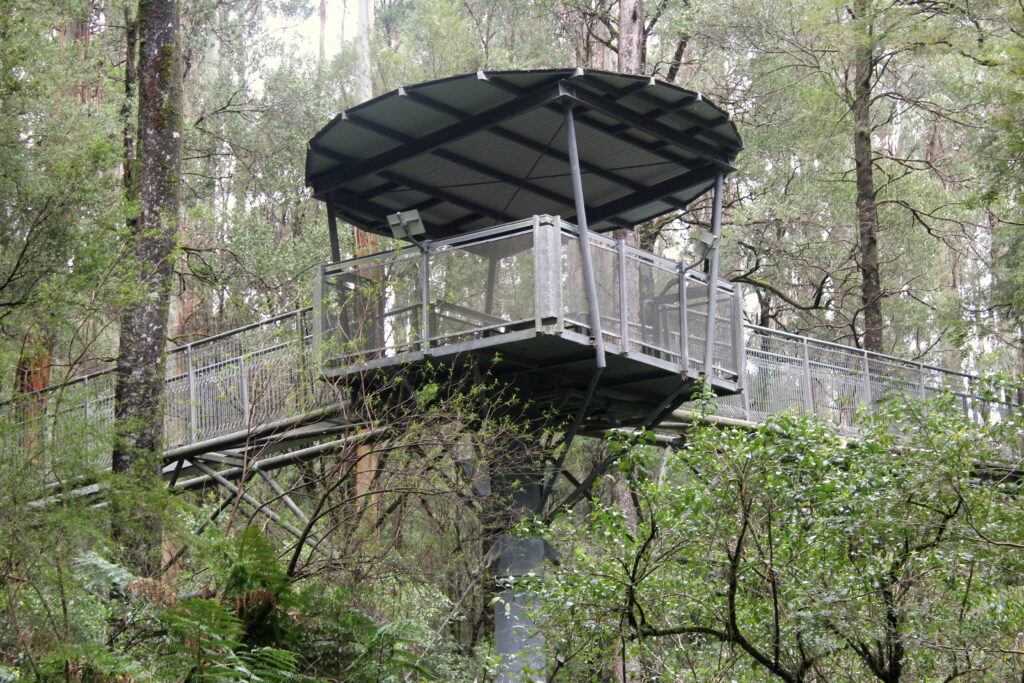
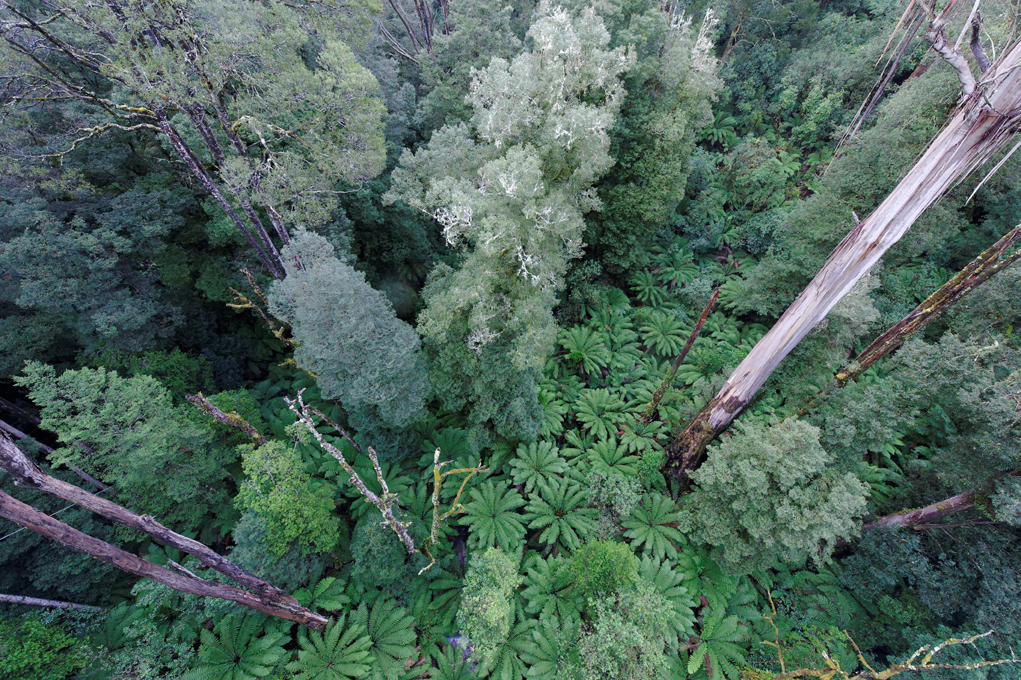
Otway Treetop Walk – A must-do in Victoria, Australia
https://www.youtube.com/watch?v=GlCLsTGWbPs
You walk along a 600 m elevated steel walkway about 25–30 m above the ground. It gives you a bird’s-eye view of the Otway rainforest, including giant Mountain Ash trees and ferns. There’s a 47 m spiral tower at the end for even higher views. It is about a 1.9 km return walk, which takes around 45–60 minutes to complete.
4WD Touring (the main draw card)
- Explore forest tracks between Forrest → Beech Forest → Apollo Bay
- Mix of easy–medium tracks, mud, and scenic drives
- Great for relaxed exploration rather than technical driving
Four-wheel driving in the Great Otway National Park is awesome—but it’s not a hardcore 4WD destination like the High Country. It’s more about tight forest tracks, mud, steep climbs, and coastal access roads. Preparation matters a lot because recovery options can be limited.
Coastal + iconic tracks
- Wreck Beach Track
Short but steep descent to the beach (walk final section). Not extreme, but traction can be tricky when wet. - Aire River to Johanna Track
Connects two great camp areas. Sandy + muddy sections depending on weather. - Blanket Bay Access Track
One of the most well-known. Narrow, winding, steep in sections. Gets rough after rain—can be challenging without decent clearance.
Forest tracks (classic Otways mud)
- Old Telegraph Track (Otways)
Tight, technical in the wet, with ruts and fallen debris. Fun but can turn slippery fast. - Hammonds Track
Scenic but often muddy and corrugated. Good intro track. - Sabine Track
Remote-feeling forest track—can be slow going after rain.
Conditions to expect
- Mud = main challenge, not rocks
- Tree cover = limited GPS signal
- Narrow tracks → scratches likely
- Fallen branches after storms
- Seasonal closures are common (check Parks Vic)
Vehicle prep (don’t skip this)
Essential vehicle setup
- All-terrain tyres (A/T) minimum
- Full-size spare tyre (preferably 2 if remote)
- Recovery points (rated) front + rear
- Basic underbody protection helpful
- Working 4WD system (obviously, but check it!)
Drop your tyre pressures
- Gravel roads: ~28–32 PSI
- Mud: ~18–25 PSI
- Sand (coastal): ~16–20 PSI
Lower pressure = better traction + less track damage.
Recovery gear (minimum kit)
- Snatch strap
- Rated shackles (soft shackles preferred)
- Recovery tracks (Maxtrax-style)
- Air compressor (to reinflate tyres)
- Tyre deflator
- Shovel
If solo: recovery tracks become essential, not optional.
FOR MORE INFORMATION, SEE What do you need to go off-road safely?
Navigation & comms
- Offline maps (e.g. Hema Maps)
- Download maps before you go
- UHF radio (Channel 10 often used on tracks)
- Tell someone your plan
What to take
Essentials
- Plenty of water (no reliable supply)
- Food + backup meals
- First aid kit (for more information, please see: Camping Etiquette)
- Headlamp / torch
- Warm clothes (it gets cold + damp even in summer)
Smart extras
- Chainsaw or handsaw (fallen trees happen)
- Insect repellent (leech + mozzie territory)
- Tarp or ground sheet (mud everywhere)
- Firewood (if allowed—check restrictions)
Safety tips
- Avoid tracks after heavy rain → they can become slippery fast
- Don’t drive into water crossings blindly
- Travel with another vehicle if possible
- Stick to marked tracks (fines + environmental damage otherwise)
Quick reality check
The Otways can look easy but catch people out—especially with mud + steep descents. It’s more about traction and control than extreme obstacles.
Camping
Coastal & beach camping (most scenic)
These are some of the most popular Otways camps:
- Aire River East & West Campgrounds
Right by the river mouth and beach—great for fishing, kayaking, and sunsets.
Note: parts can flood or close after heavy rain. - Johanna Beach Campground
Classic Great Ocean Road camping with epic surf and big open sites. - Blanket Bay Campground
More remote + 4WD access. Wild coastal views and a proper “off-grid” feel.
Forest / waterfall camping (lush Otways vibe)
If you want rainforest + waterfalls:
- Beauchamp Falls Campground
Small, quieter campground near a really nice waterfall walk. - Stevensons Falls Campground
Easy access, family-friendly, good for short walks and picnics. - Triplet Falls / Redwoods area (nearby stays)
Not a main campground itself, but nearby camping lets you explore some of the most iconic Otway rainforest.
Easy-access & popular campgrounds
Good if you don’t want rough roads:
- Big Hill Campground (near Lorne)
One of the easiest to access and closest to Melbourne. - Lake Elizabeth Campground
Peaceful bush setting with platypus spotting nearby (short walk in).
Note: sometimes closed for upgrades or maintenance.
Caravan parks
If you want toilets, showers, etc:
- Bimbi Park
A really popular spot—camp among koalas with full amenities, camp kitchens, and even glamping options.
Wildlife
Iconic animals
- Koala
Super common around Cape Otway and coastal roads—often just sitting in gum trees above campsites. - Eastern Grey Kangaroo
Open grass areas, especially mornings/evenings. - Swamp Wallaby
More shy—often seen darting through forest edges.
Night & forest wildlife
- Common Wombat
Seen at dusk near tracks and camps like Blanket Bay. - Short-beaked Echidna
Often foraging along tracks in cooler months. - Powerful Owl
Rare but present—listen at night in deep forest. - Glow worms (especially around Melba Gully—best at night)
Birdlife (huge variety)
- Superb Fairywren (bright blue males)
- Crimson Rosella
- Yellow-tailed Black Cockatoo (iconic call through the forest)
Coastal wildlife
- Australian Fur Seal along the coast
- Seasonal whales (mainly winter migration, visible from cliffs)
Wildflowers in the Otways
The Otways are underrated for flowers—especially the heathlands and forest understory.
Spring stars (best display)
- Common Heath (Victoria’s floral emblem)
- Grass Tree (flower spikes can be huge)
- Native Orchids (many species—tiny but incredible)
- Banksia (important for birds)
Rainforest plants (year-round)
- Tree ferns (lush green all year)
- Mosses, fungi (especially after rain)
- Myrtle beech forest in cooler gullies
Coastal heath flowers
- Bright low shrubs and wildflowers near cliffs and dunes
- Best around places like Johanna and Aire River
Best Time To Go
Spring (Sept–Nov) — Best overall
- Peak wildflowers
- Active wildlife
- Waterfalls flowing well
Summer (Dec–Feb)
- Easier access (dry tracks for 4WD)
- More reptiles + insects
- Wildlife more active early morning / evening
- Can be dry + bushfire risk
Autumn (Mar–May)
- Great for fungi + moss
- Cooler temps, fewer crowds
- Good wildlife spotting
Winter (Jun–Aug)
- Best waterfalls
- Whale watching from the coast
- Leeches + muddy tracks
Pro spotting tips
- Go early morning or dusk (most animals active)
- Drive slow on tracks → more wildlife sightings
- Scan treetops for koalas (they don’t move much)
- After rain = best for fungi, frogs, and forest life
Nice—this is where the Otways really shine. If you hit the right spots at the right time, you can almost guarantee sightings.
Best spots for Koalas
Cape Otway Road
- The #1 koala hotspot in the Otways
- Drive slowly between Great Ocean Road turnoff and the lighthouse road
- Look for:
- Cars pulled over (usually a giveaway)
- Gum trees with koalas wedged in forks
- Best time: morning or late afternoon
- Tip: they look like grey lumps—scan carefully!
Around Blanket Bay
- Koalas + kangaroos around campsites
- Much quieter than Cape Otway Road
Kangaroos & Wallabies
Johanna Beach area
- Open grassy areas = perfect grazing
- Often see mobs at dusk
Aire River Campground
- Kangaroos everywhere in the evening
- Wallabies closer to bush edges
Wombats
Blanket Bay Campground
- One of the most reliable wombat locations
- They wander through camps at dusk/night
Parker Hill Campground
- Quiet + less crowded
- Good chance if you stay overnight
- Best time: after sunset (bring a headlamp)
Echidnas (bit of luck, but common)
Great Otway National Park forest tracks
- Seen crossing tracks or digging
- Especially after rain or on mild days
- Best time: morning or cool afternoons
Platypus
- Lake Elizabeth Campground
- Lake Elizabeth
- “Wake up early or head to Lake Elizabeth at dusk to catch a glimpse of these shy Australian natives.” 1
Bird Hotspots
Lake Elizabeth
- Satin Bowerbird + Superb Fairy-Wren + Eastern Yellow Robin
Triplet Falls
- Rainforest = heaps of birdlife
- Listen for lyrebirds scratching in leaf litter
Redwood Forest
- Peaceful, good for smaller birds
Glow Worms
Melba Gully
- Short, easy walk
- Glow worms visible after dark
- Best time: fully dark, no torch directly on them
Best Wildflower & Orchid spots
Coastal heath (spring magic)
Around Johanna Beach
- Heathlands full of:
- Heath flowers
- Orchids
- Banksias
Anglesea Heath
- One of the best wildflower areas in Victoria
- Huge diversity of orchids + native plants
- Best time: Sept–Nov (peak spring)
Forest understory (orchids + fungi)
Near Beauchamp Falls
- Damp forest = orchids + fungi
- Amazing after rain
Whale Spotting
Clifftops along Great Ocean Road
- Lookouts near Johanna & Cape Otway
- Best time: June–September
Great Otway National Park
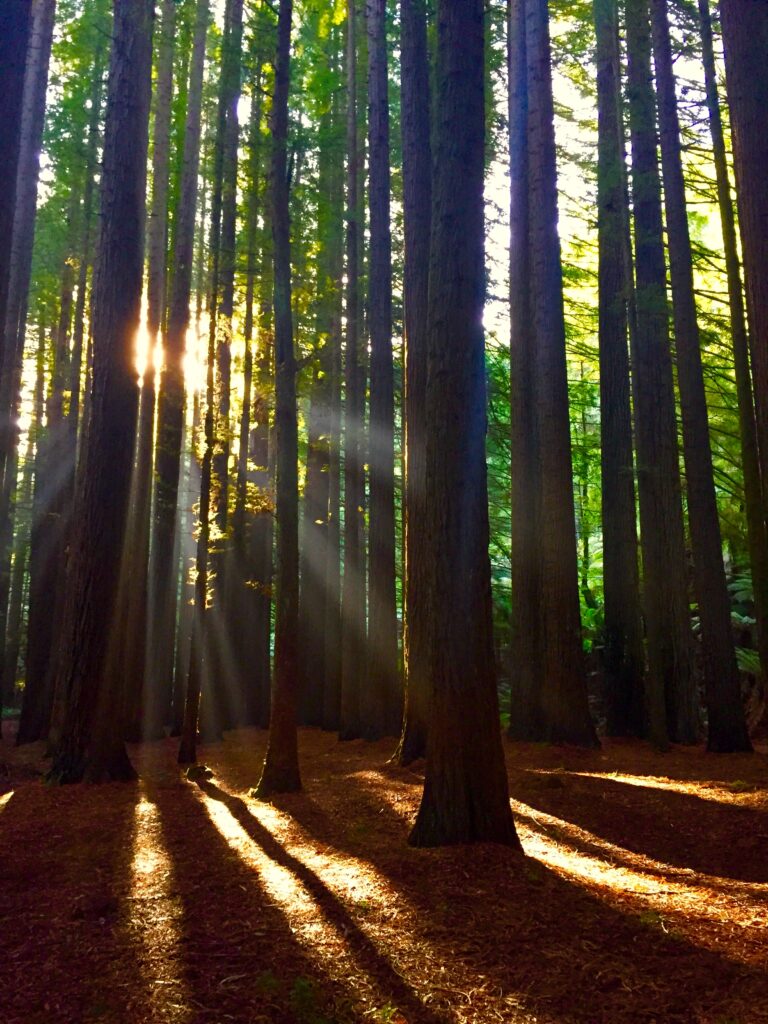
The park covers about 1,000 square kilometres, stretching from the Torquay area along the Great Ocean Road through to near Princetown. Its main geographical feature is the Otway Ranges, a series of low mountains and deeply dissected valleys that create lush temperate rainforest, waterfalls, and fern-filled gullies. The park also includes rugged coastal cliffs, river systems, and heathlands, making it one of Victoria’s most diverse natural landscapes.
Maps
- The Otways Touring Guide by Merid Maps
- Otways East Surf Coast by SV Maps
- Otways Central Walks & Waterfall by SV Maps
- Otways West Shipwreck Coast by SV Maps
Books
- The Otways Range by The Outback Travellers
- Wildlife of the Otways and Shipwreck Coast by Grant Palmer
- Waterfalls of the Otway Ranges by Anthony Car
- Walking the Otways by Geelong Bushwalking Club. (John Chapman, Monica Chapman).
Useful Links
- Otways: https://visitgreatoceanroad.org.au/visitotways/
- The Otways: https://www.visitvictoria.com/regions/great-ocean-road/see-and-do/nature-and-wildlife/national-parks-and-reserves/the-otways
- Great Otway National Park: https://www.parks.vic.gov.au/places-to-see/parks/great-otway-national-park
- Otways Attractions: https://otwayshinterland.com.au/around-the-otways/attractions/
- Great Otway National Park: https://www.greatoceanroadauthority.vic.gov.au/Land-We-Manage/National-Parks/Great-Otway-National-Park
- Beauchamp Falls; a stunning Great Otways National Park walk: https://www.4wdingaustralia.com/travel-victoria/beauchamp-falls/
- The beautiful Redwoods in the Otways National Park: https://www.4wdingaustralia.com/travel-victoria/the-redwoods-otways/
- Colac, VIC: https://www.aussietowns.com.au/town/colac-vic
- Colac: https://www.visitvictoria.com/regions/great-ocean-road/destinations/colac
- Colac: https://visitgreatoceanroad.org.au/towns-and-villages/colac/
- Colac: https://www.wayoutback.com.au/blog/colac/
- Apollo Bay, VIC: https://www.aussietowns.com.au/town/apollo-bay-vic
- Apollo Bay: https://www.visitmelbourne.com/regions/great-ocean-road/destinations/apollo-bay
- Apollo Bay: https://visitgreatoceanroad.org.au/visitapollobay/
- Wildlife Wonders: https://www.wildlifewonders.org.au/
- Winchelsea, VIC: https://www.aussietowns.com.au/town/winchelsea-vic
- Winchelsea: https://visitgreatoceanroad.org.au/towns-and-villages/winchelsea/
- Winchelsea: https://visitgreatoceanroad.org.au/iamwinchelsea/
- Lorne, VIC: https://www.aussietowns.com.au/town/lorne-vic
- Lorne: https://www.visitvictoria.com/regions/great-ocean-road/destinations/lorne
- Lavers Hill, VIC: https://www.aussietowns.com.au/town/lavers-hill-vic
- Beech Forest, VIC: https://www.aussietowns.com.au/town/beech-forest-vic
- Beech Forest: https://autopiatours.com.au/travel-blog/beech-forest/
- Otway Harvest Trail: https://www.otwayharvesttrail.org.au/
- Otway Walks and Waterfalls Guide: https://visitgreatoceanroad.org.au/visitotways/otways-walks-and-waterfalls-guide/
- Walks in the Great Otway National Park: https://feo.org.au/walks/
- Otways Information: https://otwayshinterland.com.au/otways-information/
- Wye River: https://visitgreatoceanroad.org.au/towns-and-villages/wye-river/
- Wye River: https://www.travelvictoria.com.au/wyeriver/
- Wye River: https://www.wayoutback.com.au/blog/wye-river/
- Cape Otway Lighthouse: https://www.lightstation.com/
- 4WD adventure in the Great Otway National Park: https://www.wayoutback.com.au/blog/4wd-great-otway-national-park/
- Discover Four Wheel Driving: https://www.4wdvictoria.org.au/images/D4WD/flipbook/?page=1
- Exploring Anglesea – The Otways: A Guide to 4WD Tracks and Camping Adventures: https://4x4oc.com.au/blogs/trip-guides/exploring-anglesea-the-otways-a-guide-to-4wd-tracks-and-camping-adventures
- Melbourne Escapes: The Otways: https://www.4x4australia.com.au/explore/vic/melbourne-escapes-the-otways
- Exploring the Otway Ranges in Victoria: https://hemamaps.com/blogs/location-guides/otway-ranges-vic
- The Otways 4WD Map: https://hemamaps.com/products/the-otways-4wd-map
- The Otways Guide: https://hemamaps.com/products/the-otways-guide
- Best off-road-driving trails in Great Otway National Park: https://www.alltrails.com/parks/australia/victoria/great-otway-national-park/off-road-driving
- Camping in the Otways: https://visitgreatoceanroad.org.au/visitotways/camping-in-the-otways/
- Camping in the Colac Otway Shire: https://www.colacotway.vic.gov.au/Recreation-tourism/Tourism/Camping-in-the-Colac-Otway-Shire
- Tourist Attractions In The Otways: https://bimbipark.com.au/tourist-attractions-otways/
- Wildlife of the Otways and Shipwreck Coast: https://www.publishing.csiro.au/book/7814/
- Waterfalls of the Otway Ranges: https://www.collinsbooks.com.au/p/waterfalls-of-the-otway-ranges
- Walking the Otways: https://www.mapsbookstravelguides.com.au/walking-the-otways/
- Otways East Surf Coast Map Spatial Vision: https://www.mapsbookstravelguides.com.au/otways-east-surf-coast-map-spatial-vision/
- Otways Central Walks Waterfall Map Spatial Vision: https://www.mapsbookstravelguides.com.au/otways-central-walks-and-waterfall-map-spatial-vision/
- Otways West Shipwreck Coast Map Spatial Vision: https://www.mapsbookstravelguides.com.au/otways-west-shipwreck-coast-map-spatial-vision/
- Beauchamp Falls: https://www.exploreoutdoors.vic.gov.au/activities/camping/beauchamp-falls-campground
- Welcome to Bimbi Park: Unique Camping and Glamping in Otway National Park: https://bimbipark.com.au/
- The best camping in Great Otway National Park, VIC: https://www.hipcamp.com/en-AU/national-park/australia/victoria/great-otway/all
- Top 10 rated campsites for Great Otway National Park: https://www.anycamp.com.au/index.php/l/campsites/great-otway-national-park-vic/top-rated
- Blanket Bay; coastal camping off the Great Ocean Road: https://www.4wdingaustralia.com/travel-victoria/blanket-bay-campground/
- Mt Cowley Track; a cruisy drive near Anglesea: https://www.4wdingaustralia.com/travel-victoria/mt-cowley-track/
- 4×4 trip to the Otway Ranges, Vic: https://www.4x4australia.com.au/explore/vic/4×4-trip-to-the-otway-ranges-vic
- Aire Crossing Campground; a truly magic location: https://www.4wdingaustralia.com/travel-victoria/aire-crossing-campground/
- Anglesea 4WD Tracks; 4WDing on the Great Ocean Road: https://www.4wdingaustralia.com/travel-victoria/anglesea-4wd-tracks/
- Maits Rest Rainforest Walk; break on the Great Ocean Road: https://www.4wdingaustralia.com/travel-victoria/maits-rest-rainforest-walk/
- Johanna Beach Campground; magic coastal camping: https://www.4wdingaustralia.com/travel-victoria/johanna-beach-campground/
- 4WD safety in parks: https://www.parks.vic.gov.au/get-into-nature/safety-in-nature/visitor-safety-tips-in-parks/4wd-safety-in-parks
- Four-wheel drive with care: https://parks.qld.gov.au/before-you-visit/visit-with-care/four-wheel-drive-with-care
- 11 things to do in the Great Otway National Park: https://visitgreatoceanroad.org.au/visitotways/activities/11-things-to-do-in-the-great-otway-national-park/
- Lake Elizabeth Campground: https://www.parks.vic.gov.au/places-to-see/parks/great-otway-national-park/where-to-stay/lake-elizabeth-campground
- Treetop Walk and Zipline Tours: https://otwayfly.com.au/
- The Best 4WD Tracks in Victoria: Adventure-Ready Routes for Every Driver: https://www.club4x4.com.au/blog/best-4wd-tracks-victoria/